
Published December 15, 2025
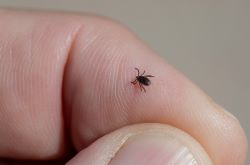
Alpha-gal syndrome is a serious allergy that can happen after someone is bitten by a tick (Figure 1). The allergy is named after a sugar called galactose-alpha-1,3-galactose (alpha-gal), which is found in most animals, but not in people. People with this allergy can get sick after eating red meat like beef, pork, or lamb, or foods made from animals, such as gelatin or dairy. Some medicines contain animal products, such as gelatin (Hidden Pork Content in Colace Capsules), which can also cause an allergic reaction in people with alpha-gal syndrome. Symptoms can be different for each person and usually start 2 to 6 hours after eating these foods. Some common symptoms are itchy skin or a rash; swelling of the lips, throat, tongue, or eyelids; feeling sick to your stomach; throwing up; diarrhea; coughing; trouble breathing; or a bad allergic reaction called anaphylaxis.
Unfortunately, some hospitals and clinics are faced with some challenges when trying to prevent people with alpha-gal syndrome from receiving animal products. For example, a patient with alpha-gal syndrome who should not eat beef or pork was given beef broth in the hospital, even though it was written in their medical record that they cannot have these products. When the hospital checked what went wrong, they saw that their computer system did not link food allergies to diet rules.
It was also determined that the computer system could not check if medicines or vaccines had animal ingredients (see Products That May Contain Alpha-gal). As noted earlier, there are some medicines that contain animal products. This can include both prescription and over-the-counter (OTC) medicines. Pharmacists may not know if the medicine contains animal products because the company does not always provide this information. These products can be harmful to people with alpha-gal syndrome, so hospitals, clinics, and retail pharmacies need to address this issue.
Here's what you can do: If you have previously been bitten by a tick, be aware of the potential to develop alpha-gal syndrome. Talk to your healthcare provider about your concerns. If you find out you have alpha-gal syndrome, learn what foods and products you need to avoid. Make sure all your healthcare providers (like your doctor, nurse, pharmacist, dentist, and dietitian) know about your allergy. Do not eat foods with animal ingredients. If you need a prescription medicine, ask your doctor or pharmacist if it has animal ingredients. If your pharmacist does not know, they can ask the company that makes the medicine. Always check the labels on OTC medicines, vitamins, and supplements. Some may have animal ingredients, but the label might not say it clearly. Ask your pharmacist if you are not sure.
For more information, visit:

.png)