
Published November 2, 2026
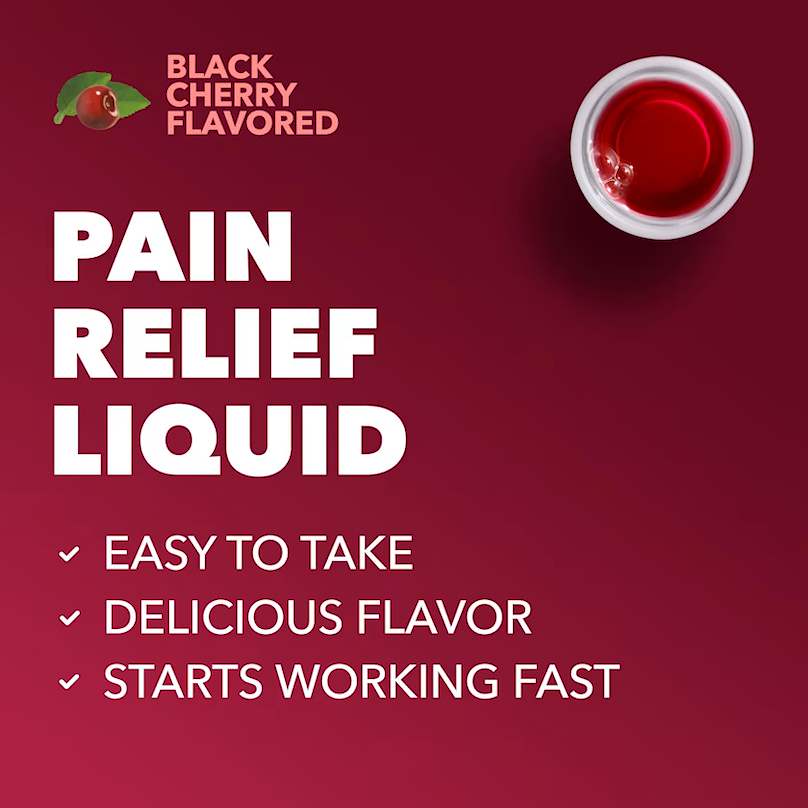
Over-the-counter (OTC) medicines can cause serious harm if they are not used the right way. Vicks PainQuil is described as "easy to take & delicious" (Figure 1). It comes as a liquid that has a black cherry flavor. Liquid medicine that tastes good is easier to take. However, it can make people forget that it is medicine. So, some people may be more likely to take too much or forget to carefully measure a dose.
According to the product label, one dose of Vicks PainQuil Daytime Liquid Pain Reliever contains 1,000 mg of acetaminophen. Acetaminophen is the same pain-relief ingredient found in Tylenol and many cold, flu, and other pain medicines. It is also found in some prescription medicines. Therefore, it is important to use PainQuil carefully.
Many liquid medicines are flavored to make them taste better. And if someone has trouble swallowing tablets or capsules, the liquid form of medicine makes it easier to take. However, there is a difference between making medicine easier to take and making it seem harmless.
When a product is described as "delicious," some people may be less likely to think of it as a medicine that requires careful dosing. This can be especially concerning if it is given to children. They may like the taste of it and want more. If the medicine is left out on the counter, a child may reach for it to take more because it tastes good.
No matter how medicine tastes, it should always be measured carefully and taken exactly as directed.
Acetaminophen is a common medicine used to treat pain and fever. When used as directed, it is generally safe and effective. However, taking too much can cause serious liver damage. The risk of liver damage is higher for people who drink alcohol regularly.
PainQuil contains 1,000 mg of acetaminophen in each dose. For most adults, the maximum dose of acetaminophen that should be taken each day is 4,000 mg. That means four doses of PainQuil is the most that should be taken in one day. Taking more than 4,000 mg can increase the risk of liver damage.
Each dose of PainQuil must be measured carefully. If someone drinks a dose directly from the bottle or does not measure each dose using the dosing cup, they could take too much medicine without realizing it.
Acetaminophen is found in many OTC medicines, including cold and flu products and some sleep aids. It is also found in some prescription medicines. On prescription labels, acetaminophen is sometimes listed as "APAP," which is an old abbreviation for acetaminophen. So, it is important to know if other medicines you take contain acetaminophen. For example, if you take PainQuil for a headache and then take a dose of cold and flu medicine, you may be taking too much acetaminophen.

Consider the following recommendations when using liquid pain relievers such as PainQuil:
PainQuil may provide an easy way to relieve pain, but it is still important to use it carefully. Because it contains a high dose of acetaminophen, accurate measurement is important. Make sure to check other medicines you take to avoid getting too much acetaminophen.

