
Published August 3, 2026
Inqovi (decitabine and cedazuridine) is a medicine used to treat adults with certain blood disorders, including myelodysplastic syndromes and chronic myelomonocytic leukemia (CMML). It is packaged in a carton that has a blister card that contains five tablets (Figure 1). The usual dose is 1 tablet by mouth once a day for 5 days each month. The label says to keep the medicine in its original package and to follow special handling and disposal steps because it is a hazardous drug.
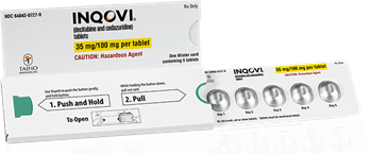
The medicine may cause side effects, such as low blood cell counts. If this happens, the doctor may lower the dose of the medicine. For example, a lower dose may mean taking 1 tablet each day for only 4 days or only 3 days of the month. Or the person may be told to take a dose only on days 1, 3, and 5 of the month. But because the tablets must be kept in the original package, pharmacies still send a full carton with the blister card that contains 5 tablets.
Giving people more tablets than they need can increase the chance of mistakes. If the dose is lowered, the blister card still has 5 days of medicine. Even if the pharmacy label has instructions for the person to take fewer doses, the package says something different. This mixed information could confuse patients and cause them to take the medicine for 5 days in a row when they should not.
Here’s what you can do: People who take this medicine should get a dosing calendar that clearly shows which days to take the medicine and which days to skip it. Pharmacies can also mark the blister card to show which tablets to take and which ones not to take, or place labels over blisters that should not be opened. Another option is for the pharmacist to remove tablets from the blister card that should not be take before dispensing the medicine. Always talk to your pharmacist when picking up the medicine, so you understand how much to take, which days to take it, and how to store and handle the medicine safely. If your doctor recommends a lower dose of this medicine, make sure you understand the updated instructions and ask any questions before leaving the pharmacy or taking a dose at home.

.png)